The Honeymoon Phase Explained
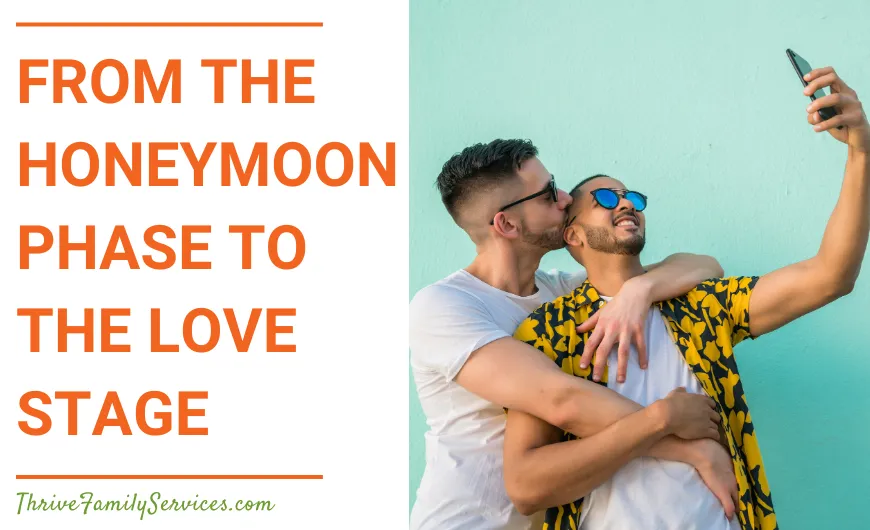
The honeymoon phase in a relationship is a period of intense romance, passion, and idealized perceptions. It’s a time when everything feels perfect, and partners are often infatuated with each other. During this initial stage, couples tend to overlook flaws, spend a lot of time together, and experience a heightened sense of excitement and connection. The world seems brighter, and the future together appears limitless. It is a time of discovery, where partners are learning about each other’s preferences, habits, and dreams. This period sets the foundation for the relationship, building a strong bond of attraction and affection. While it’s a beautiful and exciting time, it’s essential to understand that it’s also a temporary phase, paving the way for a deeper, more complex, and realistic understanding of the relationship in the future.
What Defines the Honeymoon Stage
The defining characteristics of the honeymoon stage include a surge of intense emotions, such as euphoria and excitement. Physical intimacy is often frequent and passionate, with a strong desire to be close to one another. Communication flows easily, and partners are eager to share their thoughts and feelings. There is a tendency to idealize the relationship and to focus on the positive aspects of the other person. Conflicts are often avoided or quickly resolved, and couples tend to prioritize spending time together above all else. They explore shared interests, build inside jokes, and create a sense of ‘us’ against the world. Overall, this phase is characterized by a strong sense of connection, a feeling of being ‘in love’, and the belief that the relationship is perfect and destined to last forever. The emphasis is on building a strong foundation through shared experiences and affection, establishing a positive base for the relationship.
How Long Does the Honeymoon Phase Last

The duration of the honeymoon phase varies from relationship to relationship. For some couples, it might last a few months, while for others, it could extend for a year or two. The length of this phase depends on many factors, including the personalities of the individuals, the circumstances of the relationship, and the level of emotional investment. The intensity of the honeymoon period tends to gradually fade as couples become more familiar with each other and begin to encounter the realities of daily life. As the initial infatuation wanes, couples begin to see each other more clearly, with all their strengths and weaknesses. They start to navigate conflicts, manage expectations, and build a more balanced and sustainable relationship. The transition from the honeymoon phase to a more mature stage is a natural and necessary process, marking the beginning of deeper understanding and commitment.
Signs the Honeymoon Phase Is Ending
As the honeymoon phase fades, several signs indicate a shift in the relationship dynamic. The initial euphoria and excitement start to diminish as the couple becomes more accustomed to each other’s presence. The constant desire to be together may lessen, and individuals may start to prioritize their own interests and needs. It’s natural for the intensity of passion to wane. Conflicts, previously avoided, become more frequent, and disagreements may be more challenging to resolve. Unrealistic expectations about the relationship begin to surface, leading to disappointment or frustration. As the couple moves past the honeymoon phase, they have to adjust to everyday life with each other. This transition requires them to develop new tools for communication, navigate differences, and build a more robust and resilient partnership.
Increased Arguments
An increase in arguments is a common sign that the honeymoon phase is ending. During this initial period, couples often avoid conflict, focusing on the positive aspects of their relationship. However, as familiarity grows, differences in opinions, habits, and values may lead to disagreements. These arguments may stem from various factors, such as differing expectations, unmet needs, or unresolved issues. While arguments can be viewed negatively, they also present an opportunity for couples to learn more about each other, improve communication skills, and address underlying problems. Constructive arguments can lead to deeper understanding, compromise, and a stronger bond. The way couples handle these conflicts determines whether they will strengthen or damage the relationship.
How to Handle Increased Arguments

To handle increased arguments effectively, couples should focus on active listening, expressing their feelings constructively, and seeking to understand each other’s perspectives. It’s essential to avoid personal attacks, name-calling, and blaming. Instead, they should use ‘I’ statements to express their needs and emotions without putting the other person on the defensive. Practicing empathy, trying to see the other person’s point of view, and searching for common ground is important. It’s also useful to take breaks when emotions are running high, allowing both partners to calm down before continuing the conversation. Compromise and willingness to find solutions that meet the needs of both partners are crucial. If arguments become frequent and difficult to manage, seeking professional help from a therapist can provide tools for healthier conflict resolution.
Changes in Physical Intimacy
Changes in physical intimacy can signal the end of the honeymoon phase. The intense passion and frequent sexual activity characteristic of the initial period may gradually decrease as couples become more comfortable with each other. This doesn’t necessarily mean that the relationship is failing. However, there might be a need to adjust to new patterns and expectations. Changes in physical intimacy could be due to stress, fatigue, or other life factors, along with increased familiarity. It is essential for couples to communicate openly about their needs and desires. They should actively work on maintaining the physical and emotional connection that will strengthen the relationship. The transition can create opportunities to explore new forms of intimacy and deepen their bond.
Navigating Changes in Intimacy
To navigate changes in intimacy, couples should prioritize open and honest communication about their sexual needs and desires. They should create time for intimacy, scheduling dates or setting aside time to connect physically and emotionally. It’s also important to explore new ways of being intimate, experimenting with different forms of touch, communication, and sexual activity. They should focus on creating a safe and comfortable environment where both partners feel valued and respected. Addressing underlying issues, such as stress or unresolved conflicts, can also improve intimacy. If difficulties persist, seeking guidance from a sex therapist can help couples understand their needs better and strengthen their connection.
Unrealistic Expectations Surface

During the honeymoon phase, couples often have unrealistic expectations about their relationship and their partners. As time goes on, these expectations may begin to surface, leading to disappointment and conflict. Partners may realize that their idealized version of the relationship doesn’t match reality. They might discover that their partner has flaws or habits they hadn’t noticed before. This transition can be challenging, as couples must adjust to the realities of everyday life, with all its ups and downs. The key is to manage expectations. Focus on what can be controlled and work toward goals that consider reality.
Managing Unrealistic Expectations
To manage unrealistic expectations, couples should communicate openly about their needs, desires, and concerns. They should avoid comparing their relationship to others or to idealized versions presented in media. It’s important to accept that their partner is human and has flaws, just like them. They can focus on the positive aspects of their relationship, recognizing and appreciating their partner’s strengths and qualities. It’s also essential to adjust their expectations to be more realistic and flexible. They should work on developing coping mechanisms for disappointment and creating a shared vision for the future. Recognizing that a healthy relationship evolves and changes over time is important.
Daily Routines and Habits Clash
As couples move past the honeymoon phase, they begin to spend more time together in daily routines. This increase in shared time can expose differences in habits, routines, and preferences. This can lead to friction, especially if couples haven’t discussed their expectations beforehand. Differences in lifestyle, such as cleanliness, financial habits, or social activities, can become sources of conflict. It is important for couples to navigate these differences to foster a harmonious relationship. When these habits clash, partners are forced to negotiate to find common ground.
Finding Common Ground

To find common ground when daily routines and habits clash, couples should start by openly communicating their preferences and expectations. They should practice active listening, trying to understand each other’s perspectives without judgment. It’s important to find ways to compromise, making small adjustments to accommodate each other’s needs. They can establish routines and habits that work for both partners, creating a sense of balance and harmony. They should also respect each other’s differences and not try to change each other fundamentally. If challenges arise, they may seek professional help, such as couples counseling, to work through issues.
Communication Challenges Emerge
In the honeymoon phase, communication often comes easily, fueled by infatuation and a strong desire to connect. However, as the relationship progresses, communication challenges may emerge. Couples may find that they are not communicating as effectively or that they are struggling to express their needs and feelings. Misunderstandings, assumptions, and a lack of active listening can lead to conflicts and emotional distance. The way couples communicate during the honeymoon phase is usually different, and they have to adapt to new forms of communication.
Improving Communication Skills
To improve communication skills, couples should practice active listening, paying attention to both verbal and non-verbal cues. They should strive to express their thoughts and feelings clearly and honestly, using ‘I’ statements. Avoiding assumptions and asking clarifying questions to ensure understanding is important. Learning to validate each other’s feelings, even when they don’t agree, can also foster better communication. Couples should also make time for meaningful conversations, creating a safe space for open and honest dialogue. Practicing these skills can strengthen their bond and improve their ability to navigate conflicts.
Moving Forward After the Honeymoon

Moving forward after the honeymoon phase requires effort, communication, and a willingness to adapt. The transition from infatuation to a deeper, more realistic connection can be challenging, but it also presents an opportunity for growth and strengthening the relationship. The couple needs to prioritize their commitment and actively nurture their bond. By addressing the signs that the honeymoon phase is ending, working together, and focusing on building a lasting connection, couples can thrive. They can build a deeper, more meaningful, and resilient relationship that withstands the test of time.
Focus on Communication
Focusing on open and honest communication is crucial for navigating life after the honeymoon phase. Couples should prioritize sharing their thoughts, feelings, and needs with each other. They need to practice active listening, understanding the other person’s perspective, and validating their emotions. They must strive to express themselves clearly and respectfully, using ‘I’ statements to avoid blame. Regularly discussing the relationship, addressing any concerns, and providing each other with feedback can help couples strengthen their connection. This is also the time when couples can create a safe space for open communication.
Prioritize Quality Time
Prioritizing quality time is essential to maintain a strong connection. In the early stages of the relationship, couples tend to spend a lot of time together. As life gets busier, they must consciously create opportunities to connect. Scheduling date nights, even if it’s just a simple evening at home, is important. Engaging in shared activities, like hobbies or interests, can strengthen the bond. It’s crucial to be present and focused when spending time together, putting away distractions and giving each other their undivided attention. These intentional moments of connection will provide a sense of intimacy.
Practice Forgiveness

Practicing forgiveness is a crucial skill for navigating conflicts and building a lasting relationship. Couples should understand that disagreements and mistakes are inevitable. They should be willing to let go of grudges, resentments, and hurt feelings. Practicing empathy, trying to see their partner’s perspective, and understanding their motivations can help in the process of forgiving. They should communicate their feelings to their partner. They can address the issues and work toward reconciliation. Forgiveness builds trust, promotes emotional healing, and strengthens the relationship.
Seek Professional Help
If a couple struggles to navigate the challenges that arise after the honeymoon phase, seeking professional help from a therapist or counselor can be beneficial. Therapy provides tools and strategies for improving communication, resolving conflicts, and building a stronger bond. A therapist can help couples identify negative patterns and develop healthier ways of interacting. They can also provide guidance on managing expectations, addressing individual needs, and creating a shared vision for the future. Seeking professional help is not a sign of weakness but a commitment to the relationship. It demonstrates a willingness to invest in the couple’s well-being.